
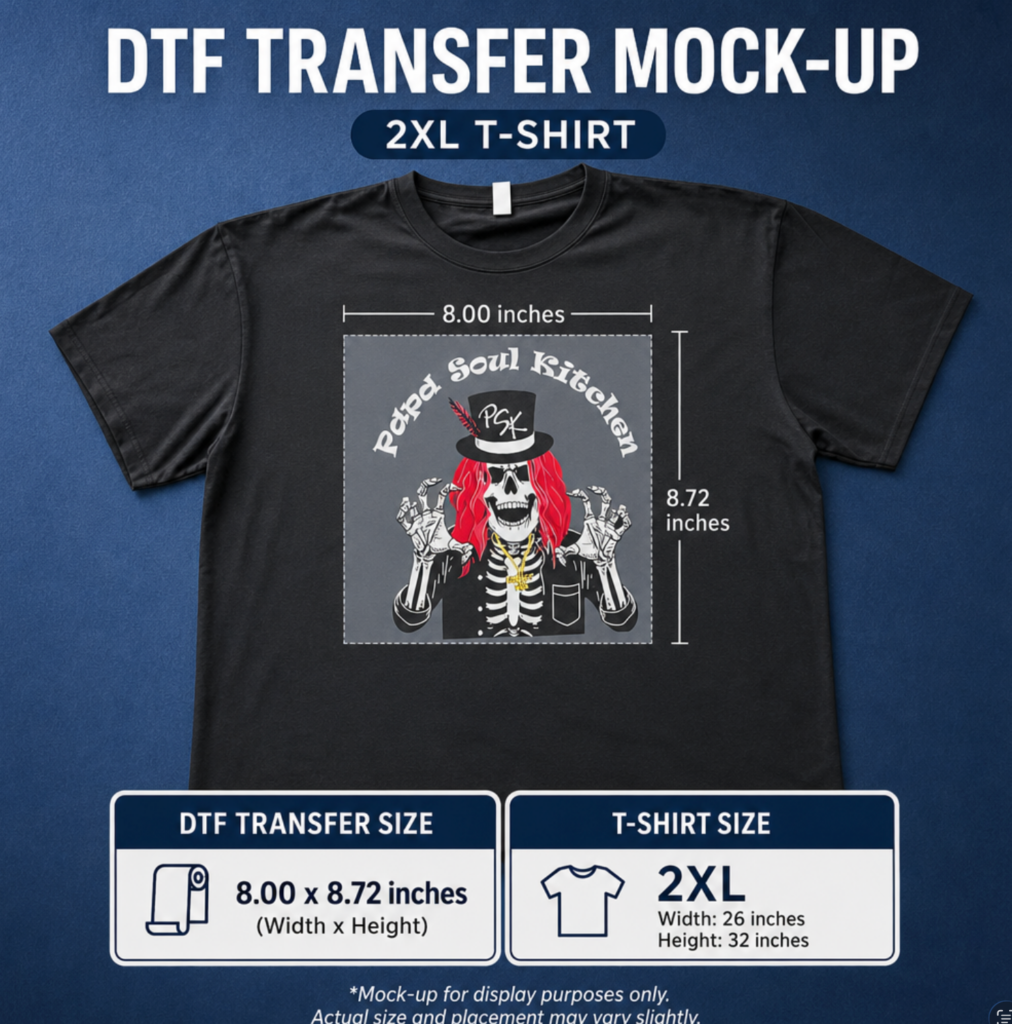
Before you approve a large apparel order, custom apparel mockups and sample packs help you see what you are actually buying. A digital mockup shows the design placement, colors, and layout on screen. A physical sample lets you feel the fabric, check the fit, review the print quality, and spot problems before they become expensive.
Bulk apparel can look simple from the outside. You choose a shirt, add your logo, approve the design, and place the order. But small details can change the final result. Fabric weight, which means how thick or heavy the material feels, can affect comfort and quality. Ink texture, or how the printed design feels on the fabric, can also change how wearable the final piece feels.
Custom Apparel Mockups & Sample Packs Help You Avoid Costly Surprises
A sample gives you proof before you commit to hundreds or thousands of pieces.
A mockup is a visual preview of your design on a garment. It helps you check the basic look, but it cannot show how the apparel feels in real life. That is where a sample pack becomes useful. A sample pack is a small set of physical apparel pieces you review before placing a larger order.
You may love the design on screen, then feel differently once you hold the shirt. The fabric may be thinner than expected. The hoodie may run smaller than your team needs. The print may sit too low or feel heavier than you imagined.
A physical sample helps you catch these issues while changes are still easy. You can compare fabric options, test sizing, and confirm the final look before money goes into full production. Simple Scooper’s custom apparel work examples can also help you see how different designs translate onto real products.
The original insight here is simple: do not approve apparel only with your eyes. Approve it with your hands, your team, and your actual use case in mind. This one extra step can prevent a full order from missing the mark.
Why Can’t You Rely on a Digital Mockup Alone?
A digital mockup helps with design direction, but it cannot confirm fit, texture, print feel, or true color.
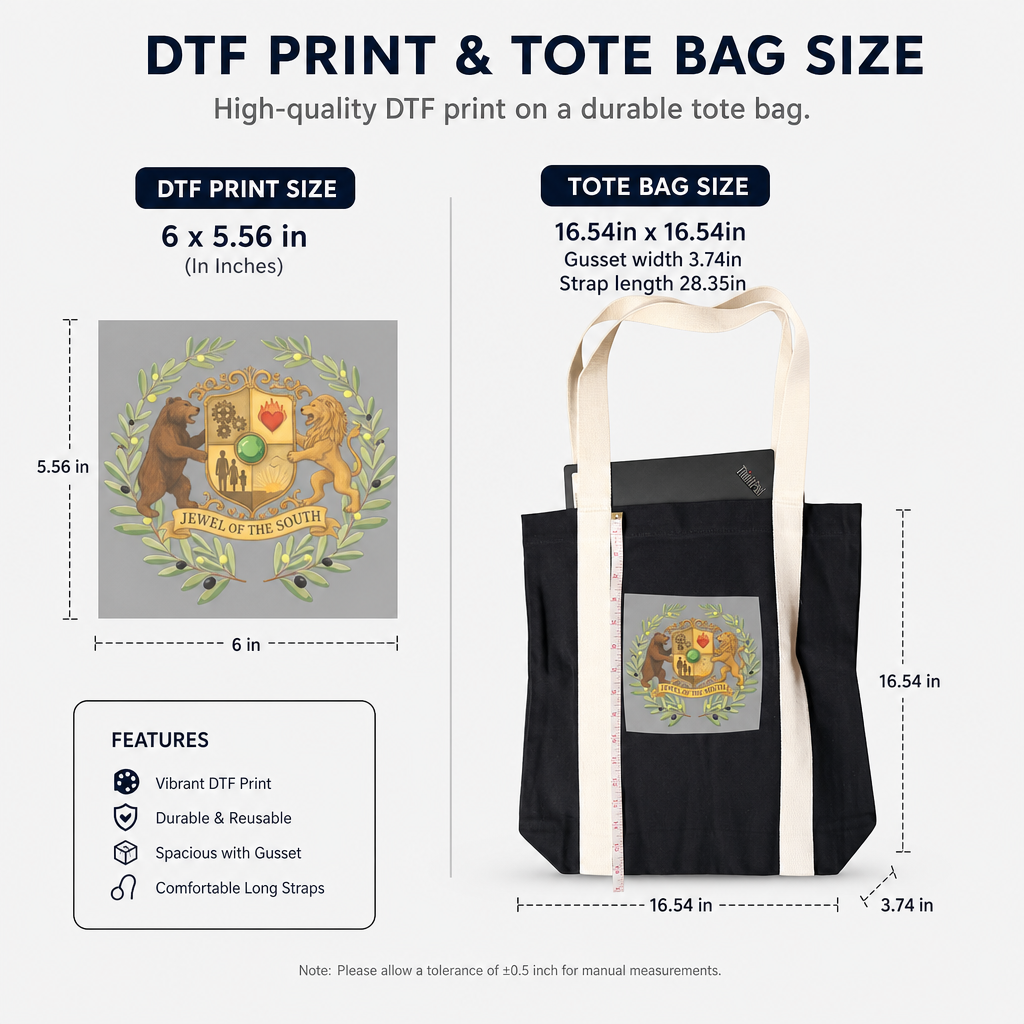
Digital mockups are useful because they give you a fast preview. You can check whether your logo looks better on the left chest, across the back, or centered on the front. You can also compare color combinations without producing multiple samples.
Still, a mockup has limits. Screens display colors differently depending on brightness and device settings. A navy shirt may look almost black on one monitor and brighter blue on another. A logo may look crisp on screen but lose detail when printed on textured fabric.
The decoration method also matters. A decoration method means the way your design is added to the garment. Screen printing pushes ink through a mesh stencil onto fabric. Embroidery uses thread stitched into the garment. Heat transfer applies a design using heat and pressure. Direct-to-garment printing, often called DTG, prints ink directly onto fabric.
Each method has strengths, but each changes the final product. A sample lets you decide whether the method feels right for your brand, event, staff, or customers. It also helps you catch small issues before they become much bigger problems.
What Should You Check on a Physical Apparel Sample?
You should check fabric, fit, color, design placement, print quality, care labels, and overall comfort.
Start with fabric. Since fabric weight affects how thick or heavy the garment feels, it can change how people use it. A lighter shirt may work well for outdoor events, while a heavier shirt may feel more premium. You should also check softness, stretch, breathability, and whether the garment feels durable enough for regular use.
Next, test the fit. Do not rely only on size labels like small, medium, or large. Apparel sizing can vary by brand, cut, and fabric type. A medium in one shirt style may fit like a small in another.
Then review the design placement. A logo that looks centered on a flat mockup may shift once someone wears the garment. Check the front, back, sleeves, collar area, and pocket location if applicable.
Finally, inspect the decoration method. Look for clean edges, correct colors, strong stitching, and smooth application. If your design includes small text, fine lines, or detailed artwork, make sure it remains readable. You can view more finished projects through Simple Scooper’s apparel customization portfolio to compare how designs look on actual products.
Sample Packs Make Team and Customer Feedback Easier
A sample pack helps you collect real feedback before the full order goes into production.
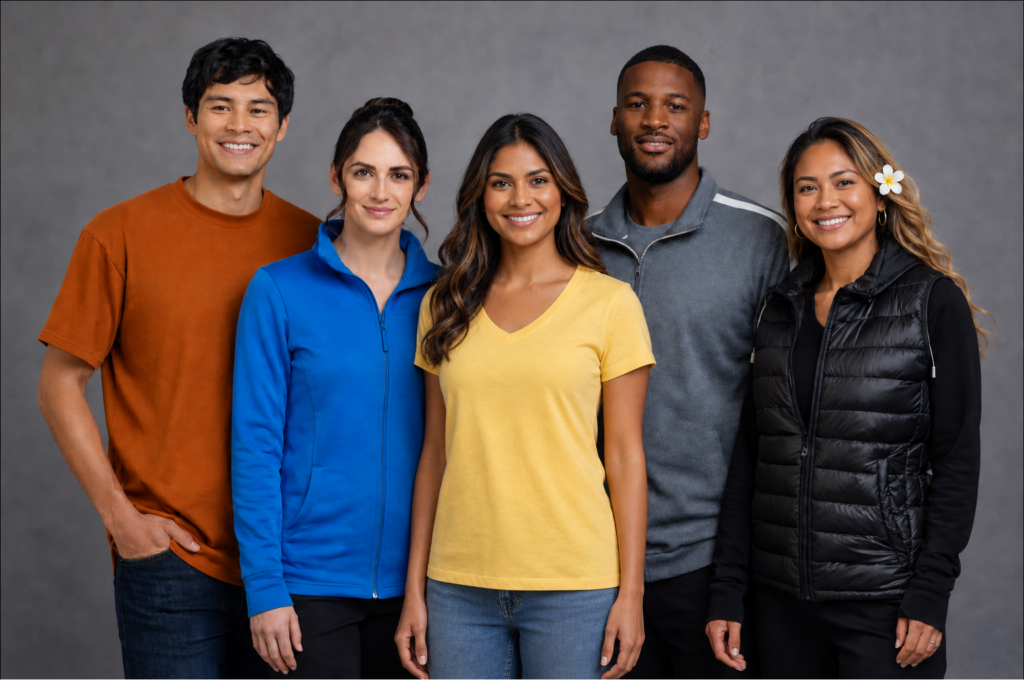
One person may approve a shirt based on looks alone. A group may notice fit, comfort, and usability issues that one person misses. This matters for uniforms, merch drops, school apparel, event shirts, team gear, and branded employee clothing.
Give samples to a few people who represent your final wearers. Ask them to try the apparel on, move around, and give clear feedback. Do the sleeves feel too tight? Is the hoodie warm enough? Does the shirt shrink after washing?
This step can prevent avoidable complaints. It can also help you choose the right size range before ordering. For example, your team may need more large and extra-large shirts than you first planned.
Feedback also helps you make a stronger final product. When people feel comfortable in the apparel, they wear it more often. That gives your brand, event, or organization more visibility.
Physical Samples Help Protect Your Brand Image
Your apparel reflects your brand every time someone wears it.
Low-quality apparel can send the wrong message. A rough shirt, crooked logo, or faded print can make even a strong design feel cheap. When you order in bulk, those issues multiply fast.
A physical sample gives you a final quality check. You can look at stitching, seams, necklines, cuffs, tags, and print alignment. You can also decide whether the garment matches your brand’s tone. A fitness brand may need breathable performance apparel. A premium service business may want heavier cotton or clean embroidery.
Care details also matter. The Federal Trade Commission explains that many textile and wool products need labels showing fiber content, country of origin, and the responsible business. Clothing care instructions are also part of this guidance, which you can review in the FTC textile labeling requirements resource.
Samples also help you check whether your apparel choice matches the audience. For children’s apparel, safety details matter even more. The U.S. Consumer Product Safety Commission notes that hood and neck drawstrings on children’s upper outerwear in sizes 2T to 12 can create a strangulation hazard. You can review the CPSC children’s apparel drawstring guidance before choosing apparel for kids.
When Should You Order and Review a Sample?
You should order a sample whenever apparel will represent your brand, be sold to customers, or be worn by a group.
Samples matter most when your order includes a new garment style, new vendor, new logo placement, or new printing method. They also matter when the apparel needs to match brand colors closely. A small color shift may not bother everyone, but it can matter for polished brand merchandise.
Order samples before final approval, not after production begins. Once a bulk order moves forward, changes may cost more or may not be possible. A small delay upfront can prevent a much larger problem later.
Use a simple review checklist so you do not miss important details. First, check the garment in natural light because indoor lighting can change how colors look. If your brand color needs to be close, compare the sample to your brand guide or previous apparel.
Second, try the garment on different body types. Fit can change depending on shoulder width, torso length, and preferred style. Ask at least two or three people to test the sample before approval.
Third, wash and dry one sample if timing allows. This helps you see whether the garment shrinks, fades, twists, or changes texture. Dimensional change means the way fabric size changes after washing, drying, or regular use. The American Association of Textile Chemists and Colorists, known as AATCC, creates textile testing standards used across the industry, which you can explore through AATCC textile testing standards.
Fourth, review the design after wearing and washing. Look for cracking, peeling, puckering, thread issues, or color loss. Puckering means small wrinkles or bunching around the printed or stitched design. These small signs can tell you whether the final apparel will hold up.
Samples are also useful for seasonal planning. A lightweight shirt may work in summer, while a fleece hoodie may work better for cooler months. Simple Scooper can help you review options before you place a full order, starting from the Simple Scooper home page.
FAQ: Custom Apparel Samples and Bulk Orders
Do I really need a sample before ordering bulk shirts?
Yes, you should get a sample before ordering bulk shirts if quality, fit, and brand presentation matter. A sample helps you check the actual fabric, sizing, color, and print quality before you commit to a large order.
What is the difference between a mockup and a physical sample?
A mockup is a digital preview of your design on apparel. A physical sample is the actual garment with your design or chosen decoration method applied. Mockups help with layout, while samples confirm real-life quality.
How many apparel samples should I order before bulk production?
You may only need one sample for a simple design. For team uniforms, merch, or customer-facing apparel, order a few sizes or styles. This helps you test fit and comfort across different people.
Can a sample pack help me choose the right apparel style?
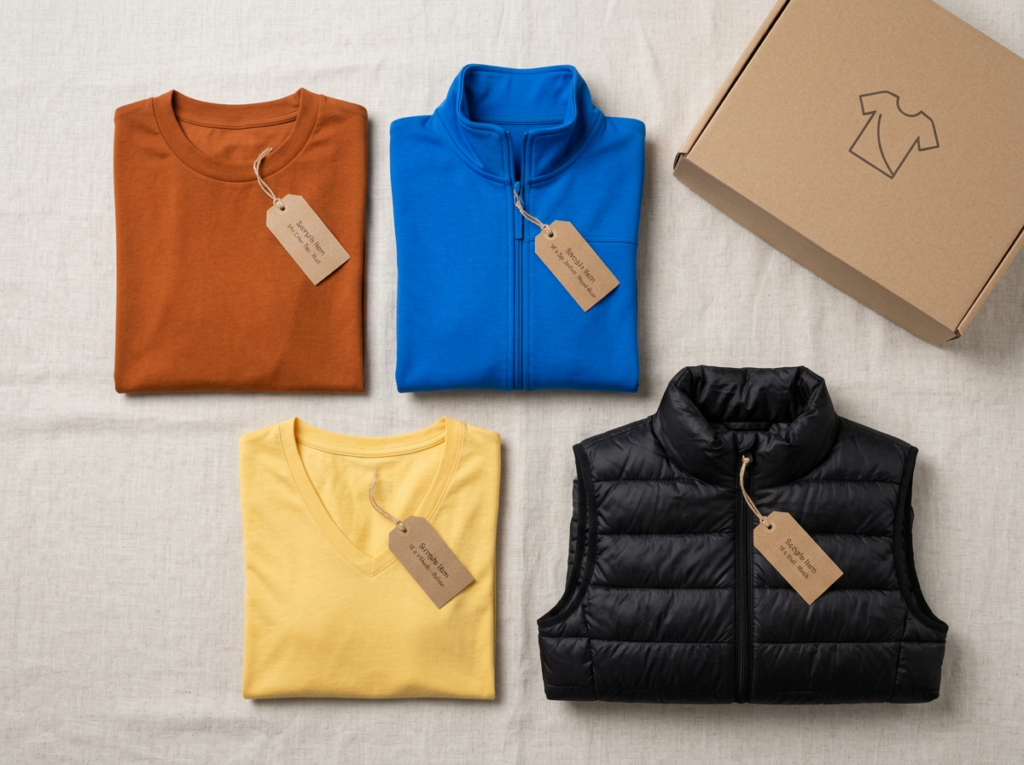
Yes, a sample pack helps you compare shirts, hoodies, hats, or other apparel options side by side. You can feel the fabric, check the weight, and choose the style that best fits your audience.
What should I ask before approving a bulk apparel order?
Ask whether the size range, fabric, decoration method, design placement, color, and care instructions meet your needs. You should also ask whether the sample matches the final production method.
How do I start a custom apparel order with Simple Scooper?
You can contact Simple Scooper to discuss your apparel goals, design needs, and sample options. Use the Simple Scooper contact page or call 562-670-5429 to get started.
Conclusion: Samples Turn Guesswork Into Confidence
Custom apparel mockups and sample packs help you make better decisions before ordering bulk apparel. A mockup gives you the first visual direction. A physical sample gives you the real proof you need. Together, they help you check fit, fabric, color, placement, print quality, and comfort before your full order begins.
That extra review step can save money, protect your brand, and make the final apparel easier for people to wear proudly. Before you approve your next bulk order, take time to see and feel the product first. To discuss sample options or start a custom apparel order, contact Simple Scooper through the custom apparel contact page or call 562-670-5429.